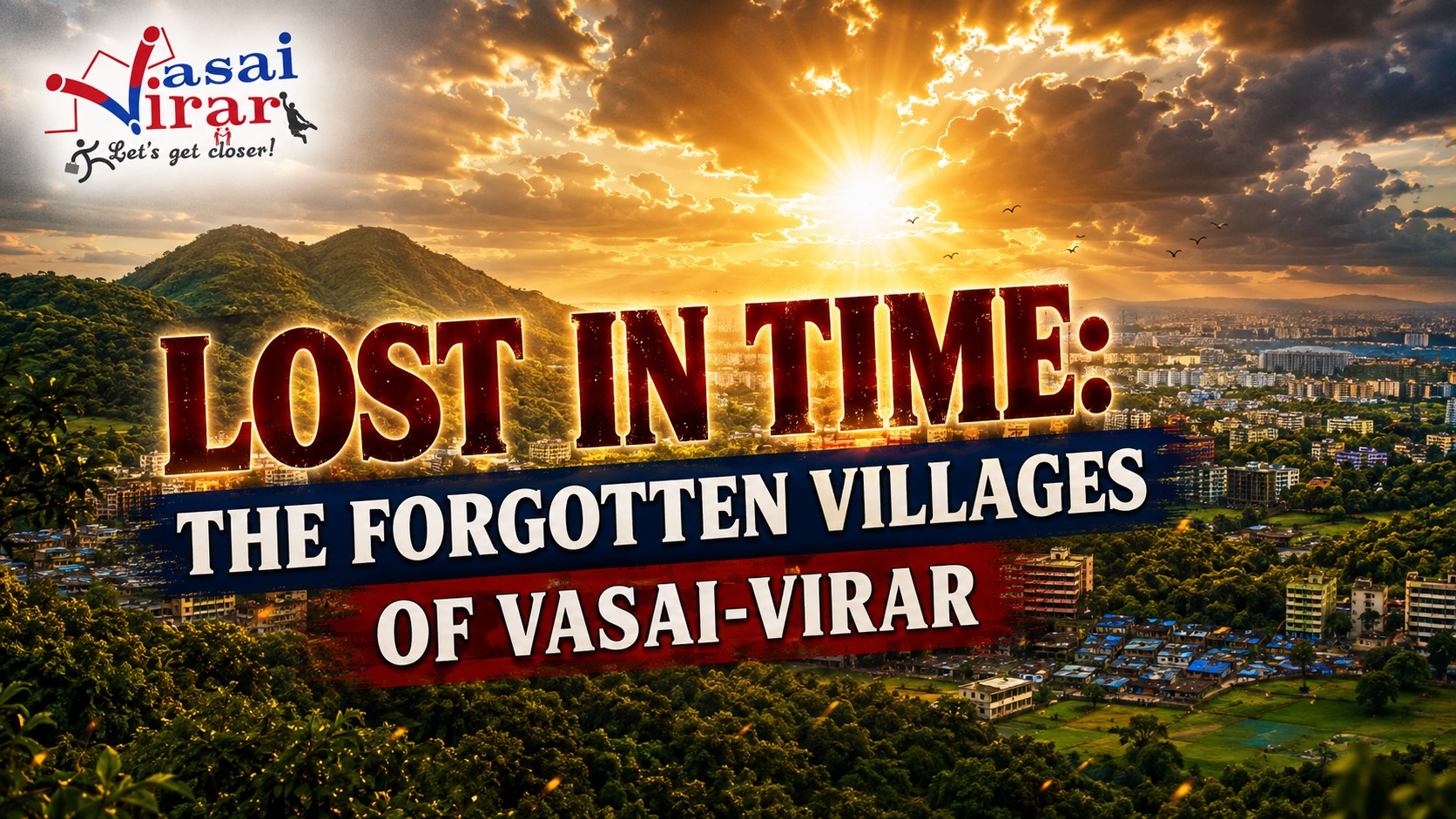
Vasai-Virar is now known for its growing residential areas, busy roads, railway connectivity, and modern developments. However, beyond this urban landscape are villages that preserve the region’s older way of life. Places such as Agashi, Bolinj, Sopara, Nandakhal, Rangaon, Pali, Arnala, and Bhuigaon carry stories of farming, fishing, religious traditions, and close-knit communities. Exploring these villages offers a glimpse into the Vasai-Virar that existed long before rapid urbanisation.
The villages of Agashi, Bolinj, Sopara, Nandakhal, Rangaon, Pali, Arnala, and Bhuigaon reflect the traditional heritage of Vasai-Virar. Their historic churches, old homes, agricultural landscapes, coastal communities, and cultural traditions offer a connection to the region’s past.
1. Agashi and its Historic Heritage
Agashi is one of the historically significant settlements in Vasai. The village is closely associated with the region’s Christian heritage and is known for its historic religious landmarks and traditional community life.
Despite the development surrounding it, Agashi continues to retain elements of its older identity, making it an important part of Vasai-Virar’s cultural landscape.
2. Bolinj and Traditional Village Life
Bolinj represents the quieter side of Vasai-Virar. Traditionally surrounded by agricultural land and village settlements, the area reflects the region’s connection with farming and community-based living.
Modern development has changed much of the surrounding landscape, but older homes, local traditions, and long-standing families continue to preserve its village character.
3. Sopara and Ancient Roots
Sopara, also known as Nalasopara, has a history that stretches back thousands of years. The ancient settlement was an important trading and religious centre and is associated with archaeological remains and Buddhist heritage.
Its historical significance makes Sopara an important reminder that Vasai-Virar’s story extends far beyond its colonial past.
4. Nandakhal and Rangaon
Nandakhal and Rangaon are among the villages that showcase the traditional character of the Vasai region. Their communities have historically been connected with agriculture, fishing, and local religious traditions.
The presence of older homes, village roads, churches, and community spaces provides a glimpse into how generations lived before large-scale urban development transformed the region.
5. Pali, Arnala, and Bhuigaon
The villages of Pali, Arnala, and Bhuigaon highlight the coastal and rural character of Vasai-Virar. Arnala, in particular, is known for its coastal setting and historic fort, while surrounding villages have traditionally depended on fishing and agriculture.
Bhuigaon and Pali also retain pockets of greenery and open spaces that contrast sharply with the increasingly urban surroundings.
6. Preserving the Villages of Vasai-Virar
Rapid urbanisation has brought new housing projects, roads, businesses, and infrastructure to the region. While this development has improved connectivity and opportunities, it has also placed traditional village landscapes under pressure.
Preserving old homes, churches, agricultural spaces, historic landmarks, and local traditions can help maintain Vasai-Virar’s cultural identity. Heritage walks, local history initiatives, and responsible development can allow these villages to grow without losing their character.
The villages of Agashi, Bolinj, Sopara, Nandakhal, Rangaon, Pali, Arnala, and Bhuigaon represent important chapters in the story of Vasai-Virar. From ancient settlements and coastal communities to historic churches and traditional homes, these places preserve memories of a very different way of life. As modern Vasai-Virar continues to expand, remembering and protecting these villages can ensure that the region’s rich heritage is not lost in time.
Frequently Asked Questions (FAQs)
1. Which are some historic villages in Vasai-Virar?
Agashi, Bolinj, Sopara, Nandakhal, Rangaon, Pali, Arnala, and Bhuigaon are among the region’s notable traditional settlements.
2. Why is Sopara historically important?
Sopara was an ancient trading and religious centre with archaeological and Buddhist significance.
3. What is Arnala known for?
Arnala is known for its coastal setting, fishing heritage, and historic Arnala Fort.
4. How has urbanisation affected these villages?
Rapid development has changed traditional landscapes and reduced several agricultural and open spaces.
5. Why should the villages of Vasai-Virar be preserved?
They represent the region’s cultural heritage, traditional lifestyle, and historical identity.