The East Indian community is an integral part of Vasai-Virar’s cultural identity and history. Known for its rich traditions, unique customs, and deep-rooted heritage, the community has preserved its way of life for centuries despite changing times. From architecture and cuisine to festivals and language, the East Indian community continues to shape the cultural landscape of the region. Understanding their story offers valuable insight into the history and identity of Vasai-Virar.
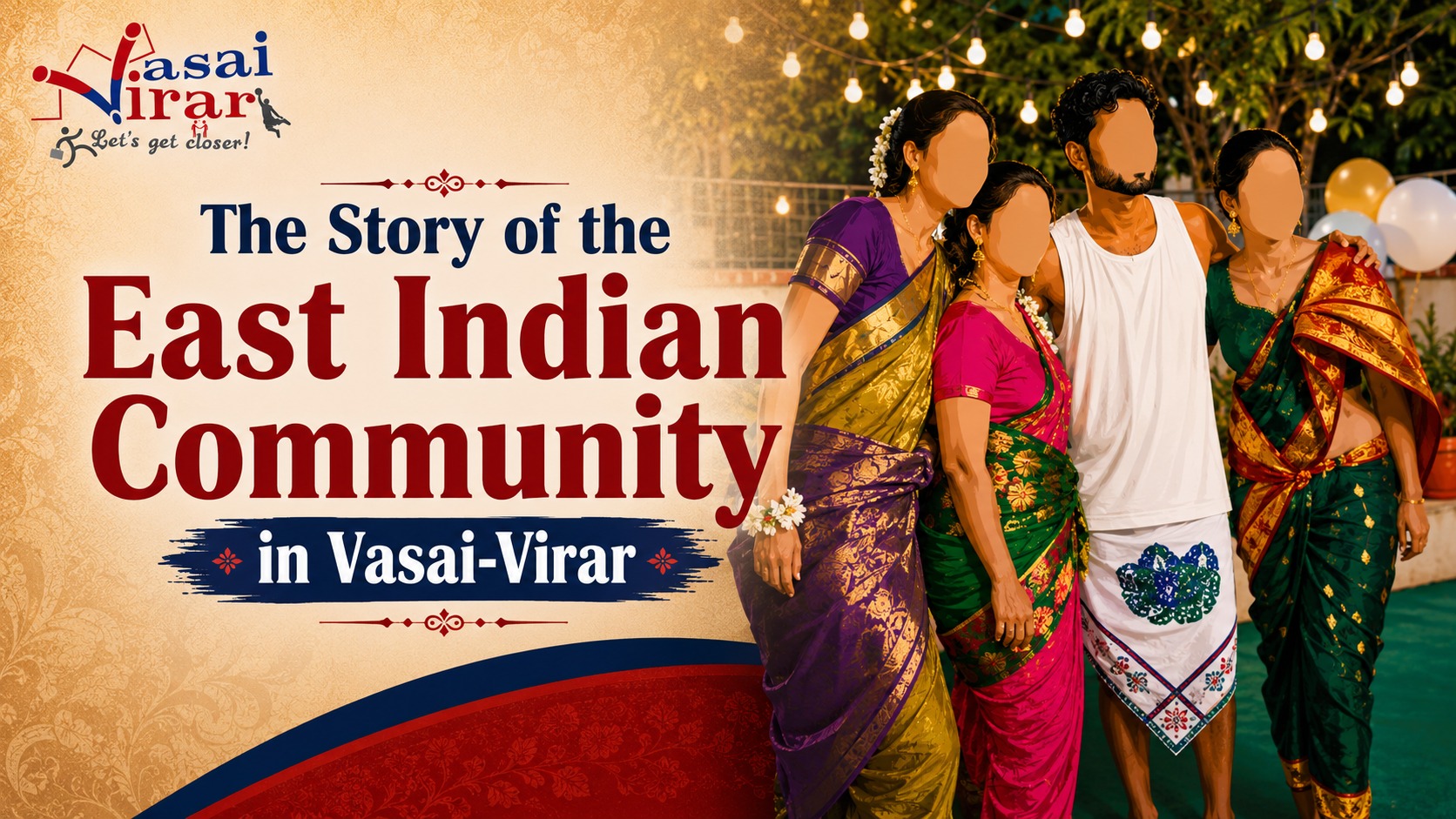
The East Indian community in Vasai-Virar traces its roots to the indigenous Catholic population of the region. Influenced by Portuguese rule while preserving local traditions, the community is known for its distinctive culture, architecture, cuisine, festivals, and strong sense of community.
1. Origins of the East Indian Community
The East Indian community consists of the original inhabitants of the region who embraced Christianity during Portuguese rule. Despite adopting a new faith, they retained many local customs, traditions, and cultural practices that continue to define their identity today.
Their rich heritage reflects a unique blend of Indian and Portuguese influences.
2. Portuguese Influence on Culture
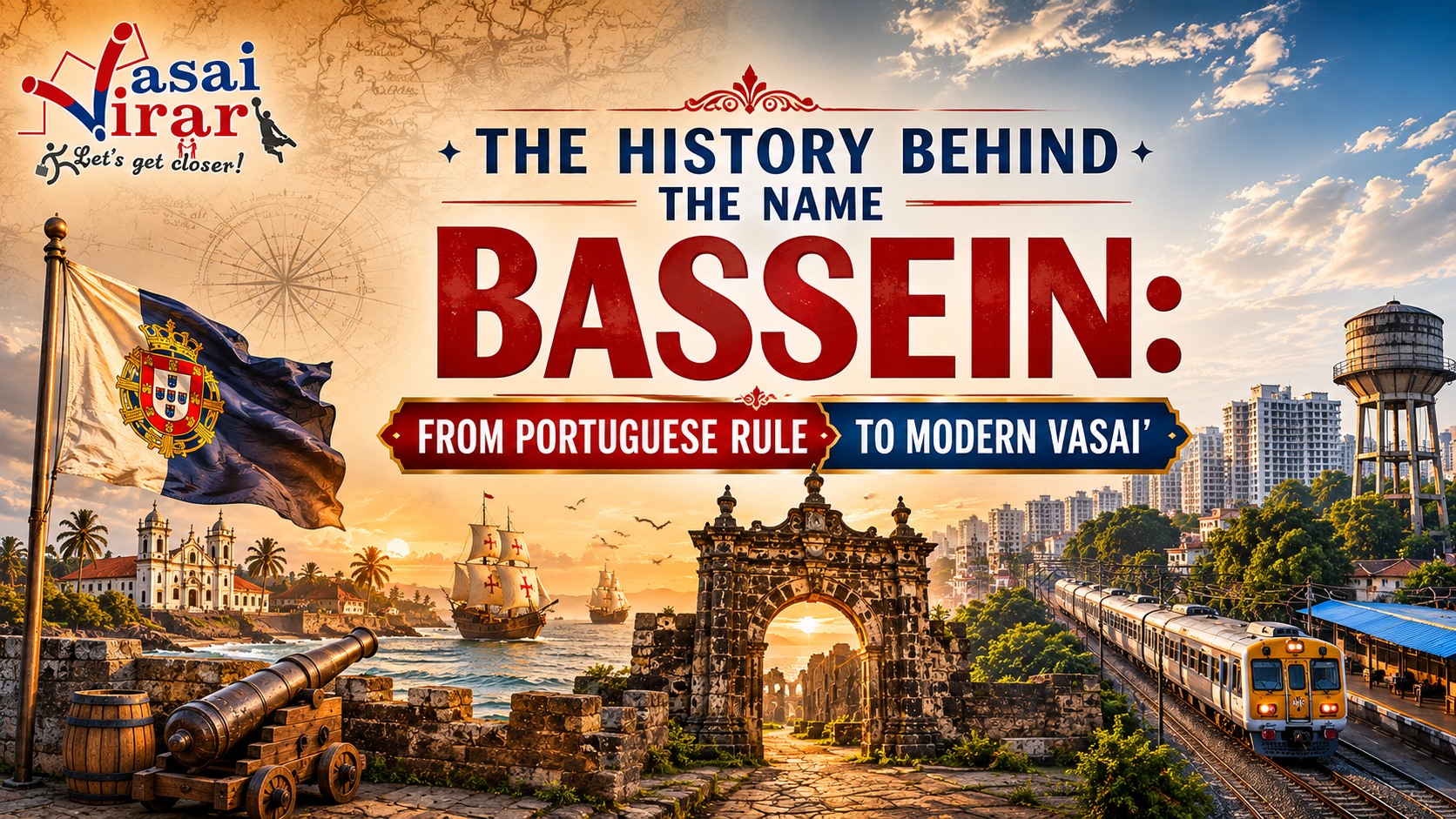
Portuguese rule left a lasting impact on the East Indian community’s lifestyle. Architectural styles, family names, religious practices, and culinary traditions all reflect this historical influence.
However, the community successfully preserved its local language, values, and customs alongside these colonial influences.
3. Traditional Festivals and Celebrations
Festivals hold great importance in East Indian culture. Christmas, Easter, village feasts, weddings, and harvest celebrations bring families and communities together through prayer, music, dance, and traditional food.
These celebrations continue to strengthen cultural bonds across generations.
4. Rich Culinary Heritage
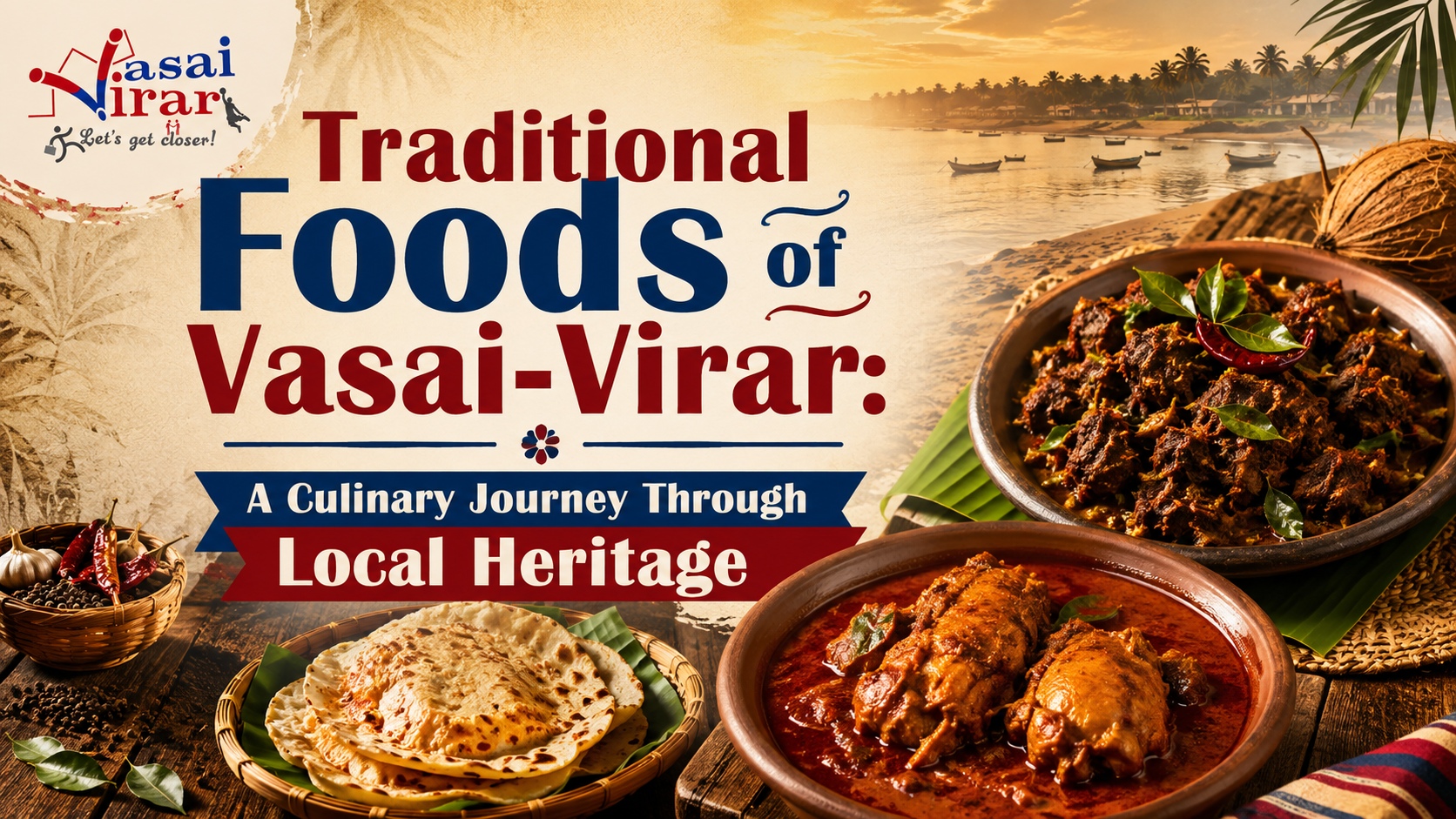
East Indian cuisine is celebrated for its distinctive flavours and traditional recipes. Signature dishes such as Bottle Masala Chicken, Fugias, Sorpotel, Vindaloo, and East Indian Curry are prepared using family recipes passed down through generations.
Food remains an important part of preserving the community’s cultural identity.
5. Architectural Heritage and Historic Landmarks
Many villages across Vasai-Virar feature traditional East Indian homes, historic churches, and colonial-era structures. These landmarks reflect the region’s architectural heritage and serve as reminders of its historical journey.
Preserving these buildings helps protect the area’s cultural legacy.
6. Preserving Heritage for Future Generations
Today, the East Indian community continues to promote its traditions through cultural events, heritage walks, community organisations, and educational initiatives. Younger generations are actively participating in preserving their language, customs, cuisine, and history. These efforts ensure that the community’s unique identity remains an important part of Vasai-Virar’s future.
The story of the East Indian community in Vasai-Virar is one of resilience, tradition, and cultural pride. Through centuries of change, the community has successfully preserved its customs while embracing progress. Its contributions to the region’s history, architecture, cuisine, and festivals continue to enrich Vasai-Virar, making it one of Maharashtra’s most culturally significant communities.
Frequently Asked Questions (FAQs)
1. Who are the East Indians of Vasai-Virar?
They are the indigenous Catholic community with deep historical roots in the region.
2. How did Portuguese rule influence the East Indian community?
It shaped their architecture, religion, cuisine, and family names while local traditions remained intact.
3. What are some famous East Indian dishes?
Bottle Masala Chicken, Fugias, Sorpotel, Vindaloo, and East Indian Curry are popular traditional dishes.
4. Why is the East Indian community important to Vasai-Virar?
The community has played a major role in preserving the region’s cultural and historical heritage.
5. How is East Indian heritage preserved today?
Through festivals, heritage walks, community events, traditional cuisine, and cultural organisations.