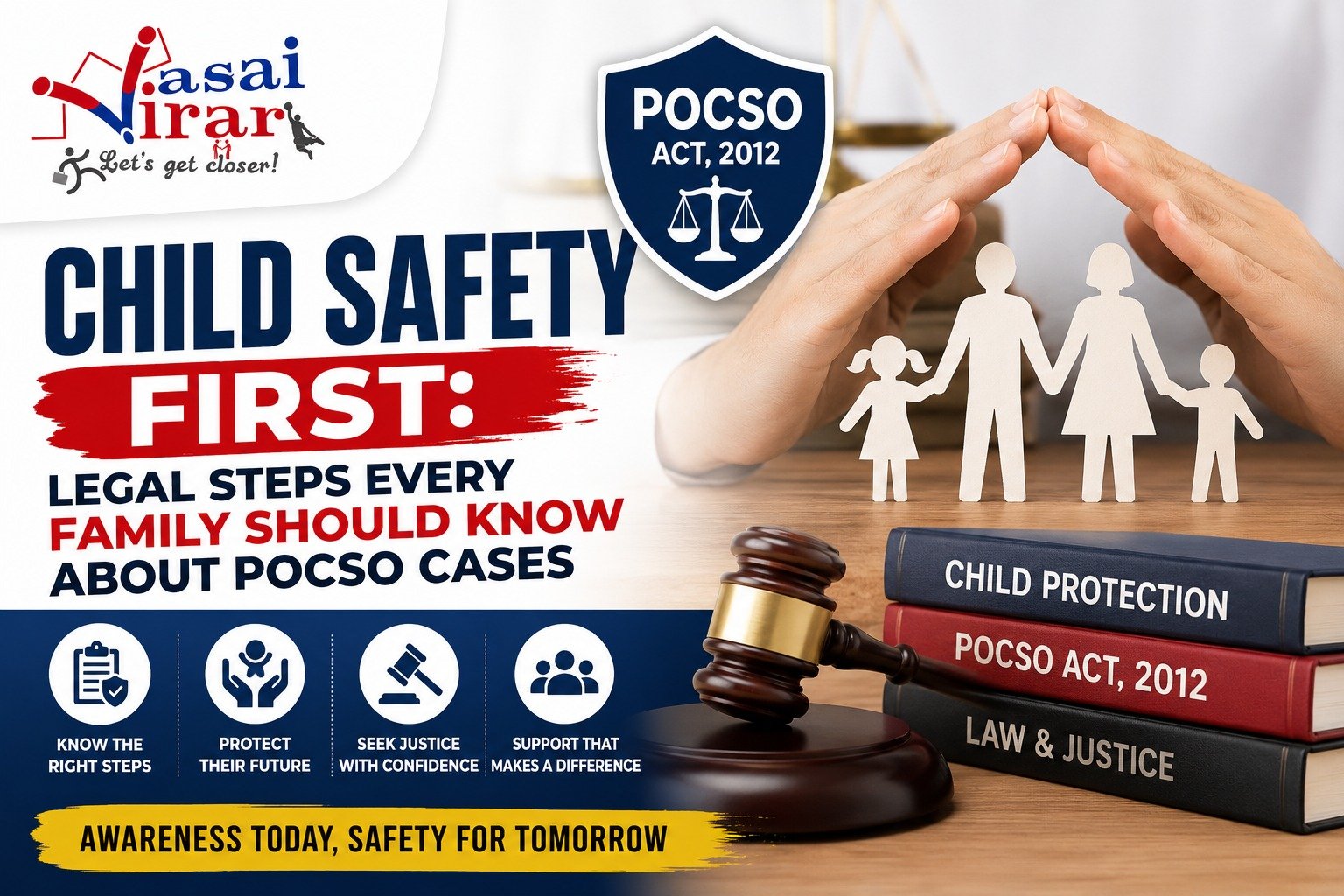
Understanding the POCSO Act and knowing what to do when a child needs protection
When it comes to children’s safety, awareness can make all the difference. Many families still feel confused or scared when dealing with situations involving child abuse or harassment. This is where the POCSO Act becomes extremely important.
The law was created to protect children from sexual offences and ensure that cases involving minors are handled carefully and sensitively. But understanding the law is only one part. Knowing the right legal steps can help families act quickly and confidently during difficult situations.
What is the POCSO Act?
The Protection of Children from Sexual Offences Act, 2012, also known as POCSO, is a special law in India designed to protect children under the age of 18 from sexual abuse, harassment, and exploitation.
The Act covers:
- Sexual assault against minors
- Sexual harassment of children
- Use of children in pornography
- Online exploitation and inappropriate digital behavior
- Child-friendly legal procedures during investigations and trials
One of the strongest features of POCSO is that the child’s identity and emotional well-being are given priority throughout the legal process.
Why Awareness About POCSO Matters
In many cases, families hesitate to speak up because they fear social judgment or legal complications. Sometimes the accused may even be someone known to the child or family, which makes the situation emotionally difficult.
But staying silent can make things worse.
Awareness about POCSO helps parents, guardians, and teachers recognize warning signs and take action immediately. The earlier the response, the better the chances of protecting the child and preventing further harm.
Important Legal Steps Every Family Should Know
1. Ensure the Child’s Safety
The first and most important step is to make sure the child is safe and away from the harmful environment or person involved.
Stay calm while speaking to the child and avoid blaming or pressuring them. Children need emotional support and reassurance during such situations.
2. File a Complaint or FIR
A complaint can be filed at the nearest police station under the relevant sections of POCSO. The police are legally required to register the complaint and begin an investigation.
The child’s statement should be recorded in a child-friendly manner, preferably by a female officer when possible.
3. Seek Medical Assistance
Depending on the case, medical examination may be required. Under POCSO, medical care must be provided respectfully while protecting the child’s privacy and dignity.
Medical reports may also become important evidence during court proceedings.
4. Protect the Child’s Identity
The identity of minors involved in POCSO cases cannot legally be shared publicly or with the media.
Families should avoid posting details online or discussing sensitive information publicly.
Common Types of POCSO Cases
Cases under the POCSO Act may involve:
- Abuse by relatives or known individuals
- Harassment in schools or tuition classes
- Online grooming or blackmail
- Inappropriate touching or behavior
- Sharing explicit content involving minors
Each case is different, which is why proper legal guidance is important.
A Simple Example
Imagine a child being harassed online by someone pretending to be a friend. The child becomes anxious and afraid to speak openly.
Once the parents become aware of the situation, they can file a complaint, submit screenshots as evidence, and take legal action under POCSO.
Without awareness, many families may not realize that online exploitation of minors is also punishable under the law.
Tips for Parents and Guardians
Families can take small but important steps to protect children:
- Teach children about safe and unsafe touch
- Encourage open communication at home
- Monitor online activity responsibly
- Take sudden behavioral changes seriously
- Report suspicious behavior immediately
Awareness and timely action can make a huge difference.
The POCSO Act has strengthened child protection laws in India and created a safer legal process for minors. But legal protection becomes effective only when families are aware and willing to take action.
If a child ever faces abuse or harassment, do not ignore the signs or stay silent out of fear. Speak up, seek help, and ensure that the child receives protection and justice.
Because every child deserves to grow up feeling safe, respected, and free from fear.